The most intelligent fencings don't just mark a boundary, they secure living architecture. When a fence sustains planters and trellises, you get privacy with appearance, shade that softens afternoons, and upright yards that press even more plant out of a limited lot. The technique is respecting lots, wetness, and upkeep from the first sketch. I have seen hurried add‑ons draw bolts out of rails and sink post bases in soaked dirt. I have actually additionally seen a simple cedar infill fence changed by a six‑inch planter cap and a fragile espalier that turned a narrow side yard right into a yard. This work repays when you construct it like a tiny item of exterior furniture that just takes place to be a fence.
Start with structure, not plants
Every great system begins with blog posts sized for what they will carry. A straightforward personal privacy fence could tolerate 4x4 messages at 8‑foot spacing in moderate environments. Add a 14‑inch‑deep planter box with wet dirt and a wind‑catching trellis, and that specification can stop working on day one. Wet potting mix evaluates 60 to 75 pounds per cubic foot. A 10‑foot run with two boxes 12 inches deep, 12 inches large, and 8 feet long can add 480 to 720 pounds prior to the very first gust strikes a climbing increased. That lots does not care that the fence looked rather in a rendering.
I suggest clients to deal with any incorporated fencing with planters and trellises as a light pergola. That suggests 6x6 blog posts at 6 to 8‑foot spacing, concrete grounds to frost depth, and focus to wind exposure. If you are on a ridge or bayside, space blog posts better and use much deeper grounds. When Fence Contractors reduced edges here, paint peels and boards divided as the setting up spins under seasonal loads.
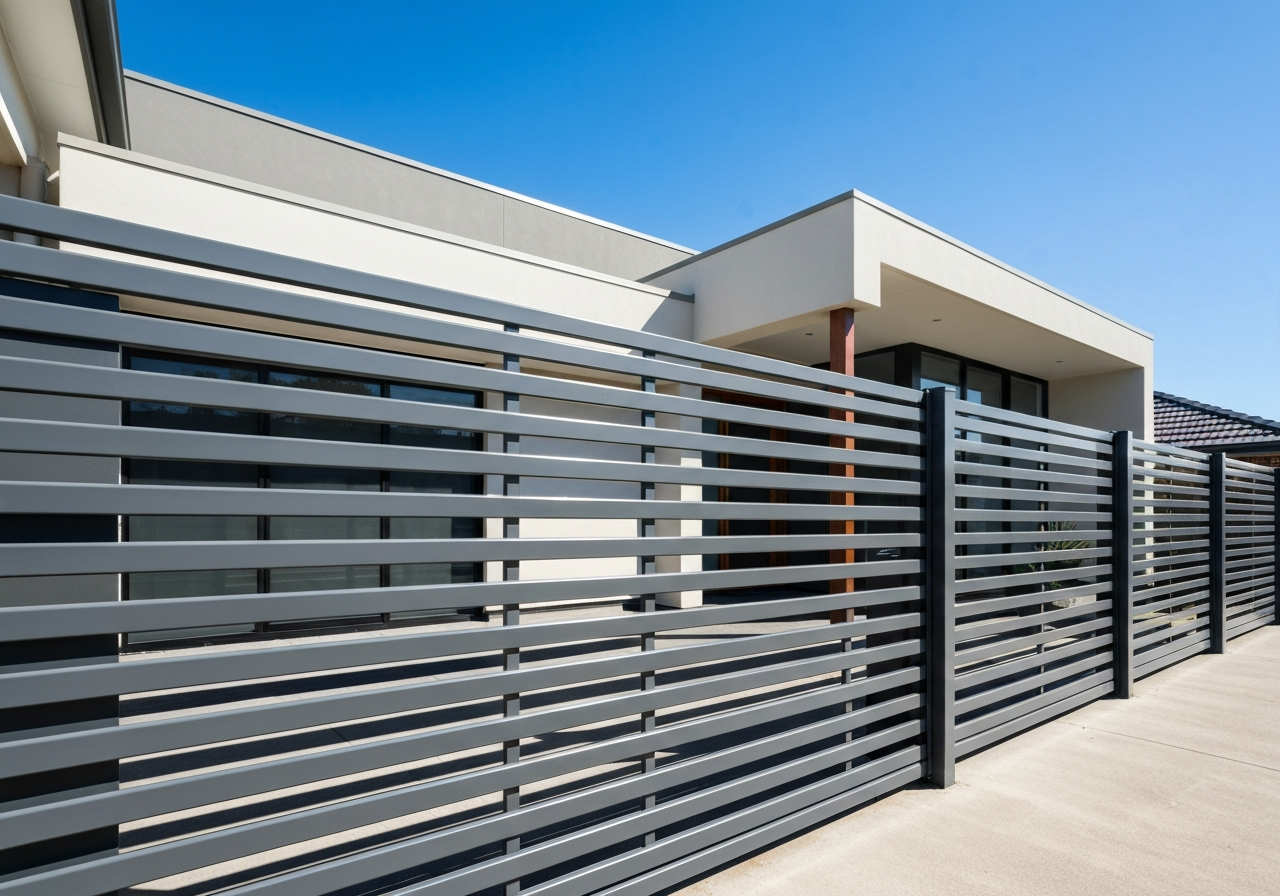
Rails and infill issue also. An open horizontal rail layout provides you versatility to bolt planter brackets and trellis stands without crushing pickets. If you desire a strong personal privacy appearance, plan an architectural journal on the backyard side so planters pack the rails and messages, not just face‑screwed boards.
Choosing planter kinds that belong on fences
Three typical approaches work well when a Fence Installer commits to the appropriate detailing:
- Integrated cap planters: The fence leading comes to be a 6 to 10 inch large trough with a sloped, waterproofed lining and weep openings. Good for natural herbs and annuals, not deep‑rooted bushes. They look seamless and turn a simple top rail into green trim. Bracketed boxes: Distinct planter boxes hang on a constant ledger or steel angle bolted to articles. These remove quickly for winter season, painting, or substitute. They are one of the most forgiving for irrigation access and weight management. Ground combined planters: Large free standing planters rest simply inside the fence line with trellises affixed to messages above. This rips off the lots onto the ground and lets origins stretch, while the fence carries only the screen. I recommend this when customers want edible vines or heavier woody climbers.
With each, the box material ought to match the fence's service life or surpass it. Cedar and redwood succeed if lined. Powder‑coated light weight aluminum or stainless executes ideal in wet climates. Compound planters coupled with timber fences can work, yet bear in mind shade shift and expansion.
Trellis principles the pros respect
A trellis is not simply a lattice panel. It is a sail. Even a modest 4x6 foot grid can create serious uplift and racking when a storm strikes. When a Fencing Builder talks about trellises, we discuss:
- Attachment points to messages, not rails alone. Rails imitate light beams, however messages take the side push into concrete. Adjustable stand‑offs that produce a 1 to 2 inch air void behind the trellis. Creeping plants completely dry faster, and the fencing surface area lasts longer. Materials that match the environment and plant. For humid, shaded areas with jasmine or ivy, I press stainless-steel cable grids. For warm fencings with light annual vines, a cedar structure with half‑lap joints and silicon bronze screws lasts a decade or more with routine oiling. Modular periods with fast launches so you can lift a panel down for paint or fixings. Fence Installers like systems they can service without taking down half the run.
Height and size play into code. Many municipalities regulate strong fence elevation at 6 to 7 feet, but trellis areas above can be allowed if they are at least 50 percent open. An excellent Fence Contractor clears this with the city prior to the posts hit concrete. It avoids the unpleasant call from an examiner when a neighbor lodges a complaint.
Wood, steel, composite: what to utilize where
In my note pads, I maintain an easy rule: put the toughest products where water lingers, and the most beautiful where hands and eyes linger.
- Posts: Ground‑contact ranked 6x6 treated yearn, black powder‑coated steel, or structural light weight aluminum posts are my go‑to. Cedar articles look great however demand excellent details at grade, particularly in snow country. For salt air, steel requires a high‑build coating or a stainless sleeve at grade. Rails and frameworks: Tight‑knot cedar or redwood, or repainted steel tube if you desire a slim contemporary look with lengthy spans. If you dislike upkeep, a hidden steel framework with wood cladding provides the best of both worlds. Planter bodies: Aluminum or stainless for long life, cedar for heat. If you demand PT lumber for planters, isolate soil with a constant liner so chemicals do not call edibles. Trellis grids: Western red cedar slats, stainless cable, or black steel poles. Stay clear of bare galvanized in high‑visibility applications unless you like varicolored gray.
Fasteners are not the location to conserve a buck. Stainless screws in wet areas, silicon bronze for cedar, and high quality structural screws where you rely upon them for lots courses. A fencing is a system of tiny components. Weak screws trigger huge failures.
Waterproofing and drain information that save the assembly
Water constantly checks your job. Planter boxes require Hop over to this website a continual liner with joints turned up and taped, an incline to weeps, and a separation from timber. I like 60 mil EPDM or PVC for liners. Peel‑and‑stick membrane layers ranked for planters also work and are easier to information on curves.
Do not let weep openings unload onto timber. Bring them to daytime with drip edges or downspouts that get rid of the fencing. Inside the box, utilize a 1 to 2 inch layer of cleaned crushed rock or light-weight drainage board, topped with a nonwoven fabric, after that dirt. Stay clear of packaging dirt thick versus the lining sides. That pressure is what protrudes faces and pops joints over time.
Where trellis stand‑offs puncture a liner, include gaskets and backer plates. I have fixed way too many boxes constructed with deck screws jabbed through rubber like they were securing trim. If you can not form a gasketed pass‑through, route stand‑offs outside the lining and link back to framework below the box.
At blog post bases, maintain soil away. Establish planters back so the most affordable wood can breathe, or flash message faces with metal boots that dropped water. It resembles overkill at set up and resembles knowledge in year five.
The plant combination follows the structure
Fence building contractors that appreciate results partner with landscapers or at least regard cultivation essentials. The plant does not care that your trellis grid is excellent if the sunlight burns it or the wind shreds it. Match the climb style to the trellis:
- Twining stems like mandevilla or hyacinth bean love slender rods or wire they can cover around. Tendril climbers like wonderful peas hold tiny cables and netting, not vast slats. Adhesive mountain climbers like Boston ivy will ignore your grid and glue themselves to surfaces. If you value your fencing, prevent them or give them a sacrificial panel. Roses and wisteria are heavy. They desire stout frames and routine connecting. Build for the fully grown weight, not the nursery pot.
Shallow planters fit herbs, lettuces, and annual blossoms. For perennials and small shrubs, boost depth to 14 to 18 inches or go ground‑coupled. If a customer desire for blueberries in a fencing trough, I guide them to freestanding planters that share the fencing line with a trellis drifting above. Origins and wood have different agendas.
Irrigation should be monotonous and dependable. A straightforward 1/2 inch poly header with 1/4 inch drip lines, stress controlled to 25 psi, and a flush cap at the low point keeps planters satisfied without saturating the fence. Fertigation injectors are optional. Hand waterers commonly drown boxes. Drip lines spread the dampness and avoid the timeless soaked corner.
Privacy, wind, and neighborly peace
Every job stays in a context. Fencing Contractors have to balance what a client wants with what the site and code enable. A limited trellis display with evergreen vines offers privacy that takes a breath. In a warm valley yard, a slim espaliered fruit wall on cord, established 3 inches off the fence, cools the outdoor patio without trapping warm. In gusty areas, open grids reduce lots. In limited whole lots, glossy thick vines can color a neighbor's yard. Plant attentively, and you prevent hideous conversations.
If you go for elevation, check obstacles and the interpretation of a fencing versus a landscape screen. In many places, a trellis that is 50 percent open can legitimately rise over a fence height limit. Some examiners count the planted mass also. A seasoned Fence Contractor will illustration the latticework openness, cite code notes, and document neighbor authorizations when needed.
Retrofitting an existing fence
Most customers call Fence Installers with a fence currently in place. Incorporating planters and trellises after the truth can work, yet you have to evaluate the structure. Order a top rail and press. If the posts totter, do not add weight. Enhance first with sister messages, brand-new grounds, or a steel framework behind the fencing line.
For retrofits, bracketed boxes shine. Bolt a journal or angle iron to blog posts with structural screws or through‑bolts, lag guards where needed. Hang boxes so they can be raised out. Keep bolts out of the damp area by setting hardware just above the soil line within the box. For trellises, make use of stand‑offs that spread tons to posts, not rails. When the existing fence is borderline, free‑standing planters with integrated trellis frames become the hero. You gain greenery without wagering on old wood.
Expect much longer labor on retrofits. Surprise cords, old rot, and irregular messages reduce the work. Spending plan an additional 10 to 20 percent compared to new builds.
Planning the design like a little landscape
A fencing line becomes a series when you include living pieces. I illustration in runs of different personality: a kitchen natural herb trough near the back door, a tall personal privacy panel with jasmine by the health club, a light open trellis mounting a seating sight. The rhythm issues. Duplicating planter measurements and trellis patterns every 8 feet avoids chaos. Vary plant structures, not the underlying carpentry, and the scene really feels created rather than patched together.
Mind solution gain access to. Leave a swing area to eliminate a trellis panel without bushwhacking. Keep pipe bibs and electrical outlets clear. If you prepare low‑voltage illumination, run avenue before you close boxes. A small LED strip under a planter lip makes a patio area sing during the night and costs bit if prepared, a whole lot if added later.
Surface completes that last
Film surfaces like solid‑color stains look crisp, yet they show wear on planter lips and trellis sides. Penetrating oils allow wood breathe and are less complicated to revitalize. If you like paint, prime all faces, including end grain, and back‑prime before setting up. Powder‑coated steels deserve the upcharge near water features or coastlines. Galvanized components under black powder coat withstand chips better than raw steel.
I treat every cut and birthed hole with preservative. It slows degeneration where bolts pierce and where boxes fulfill rails. That little action separates pro job from weekend break work.
Costs and scheduling realities
Clients typically ask for ranges. Markets vary, but integrated fences cost even more per foot than plain personal privacy. A simple cedar fencing may run 40 to 70 dollars per linear foot in some areas. Add planter boxes and trellises, and you reach 90 to 180 bucks per foot, occasionally much more with metalwork and irrigation. Stainless wire grids press prices but repay in toughness. Custom light weight aluminum planters include both cost and precision.
Schedule with the seasons. Construct in late winter months or early springtime so planters await the first growing home window. Avoid late‑summer installs in hot climates where liners and adhesives get finicky and brand-new growings prepare. If the website is wet, safeguard grounds and keep soil stockpiles covered. Mud is the enemy of limited carpentry.
Coordination in between trades
Good Fencing Builders recognize when to contact a landscape pro. Dirt mixes, plant selection, and irrigation tuning gain from gardening experience. Likewise, a landscape designer ought to accept a Fence Installer on article layout and structural joinery. The most effective end results happen when the team shares a sketch and hammers out a series: articles and rails first, liners and hardware 2nd, irrigation rough‑in, planters set, trellises hung, then planting.
If you are the homeowner steering the task, maintain one factor of accountability. A solitary Fencing Contractor that fits as the prime, generating a plumbing professional for irrigation and a welder for trellis frames, is better than 3 soloists playing their own tune.
An easy step‑by‑step that works
- Walk the fencing line with flags and tape. Mark article facilities, planter areas, and trellis spans. Note sun, wind, and pipe bib locations. Set articles in concrete to appropriate depth, check plumb, and build rails with support where planters or trellises will certainly attach. Fabricate planters with liners, slope, and weeps. Dry fit on ledgers or angles. Pre‑drill for stand‑offs and through‑bolts, then eliminate for finishing. Install watering rough‑in before planters are ultimately established. Stress examination. Add drip lines and flush caps after soil is in. Hang trellis panels on stand‑offs, tie right into blog posts, and readjust for a consistent air space. Plant, compost lightly, and set a maintenance schedule.
Mistakes that waste money
- Fastening planters to pickets as opposed to structure. The weight rips them off in a season. Skipping linings or weep openings. Boxes come to be tubs, after that garden compost bins, then failures. Oversizing trellises on 4x4 articles in gusty locations. Racking splits rails and wrenches messages at the base. Planting hostile climbers that will grow out of the structure in 2 seasons. You wind up with a trimming battle or a rebuild. Forgetting maintenance accessibility. If you can not raise a panel or get to the back of a box, you will not service it, and it will not last.
What a seasoned crew notices on day one
An experienced Fence builder reads a yard the means a mason reads stone. We search for where water runs throughout a storm and where snow thaws last. We view wind swirls around corners and really feel the heat off south‑facing wall surfaces. That educates where a vine thrives and where a box decays. We ask what you such as to cook and what you wish to smell on a summer season night. Basil wants sunlight at hip elevation by the cooking area door. Celebrity jasmine desires early morning light and a trellis it can tie without snapping in winter winds.
We also ask about dogs, children, and neighbors. A bracketed box that a Labrador can carry off a ledger is a suit, not a planter. A trellis with stainless sides near a play area requires spherical caps. These information live outside the pretty mood board, yet they specify success.
Durability plans, not wishful thinking
Set a maintenance calendar. Wipe and oil timber annually if you like the all-natural appearance. Touch up powder layer chips. Flush drip lines each season, check filters and stress regulators, and replace emitters that obstruct. Leading up dirt and include slow‑release plant food in springtime. If a vine draws a tie loosened, repair it before wind period. This is not onerous. A wisely constructed system requests a couple of hours one or two times a year, and it repays every patio area meal.
I consist of a brief treatment sheet with every integrated fencing. It maps shut‑off shutoffs, shows where stand‑offs release, and checklists complete specs. A Fence Installer that assumes past the last check clears the means for a fence that enhances for a decade.
When to upsize or rethink
If a customer desires dense evergreen privacy with minimal maintenance, I press toward ground‑coupled planters or an independent steel display on its own grounds just inside the line, with the timber fencing as a visual background. If they want edibles with routine change‑outs, I keep planter boxes shallow and modular, with easy lift‑off. If they desire a showpiece vine like wisteria, I develop the trellis like a small pergola, with its very own articles and footings. It is still component of the fencing ensemble, yet it survives its own framework so it does not tear the remainder down.
Sometimes the best guidance is to plant in the ground and use the fencing only as a training surface with stand‑off cables. Lighter, more affordable, and much easier to maintain. An excellent Fencing Contractor will certainly not oversell lumber when a few stainless eyelets and cable fix the need.
A brief anecdote from a narrow lot
We constructed a 42‑foot leave a narrow city side backyard, only 50 inches in between home and home line. The brief: screening from kitchen windows across the street, natural herb access from the side door, and absolutely no shed pathway. We established 6x6 steel posts at 6 feet on facility, dropped cedar rails, and concealed a continuous steel journal 34 inches off grade. We hung 8‑foot cedar planter boxes at 8 inches deep, lining sloped to weeps that spit onto crushed rock strips. A 5‑foot‑tall stainless cable television trellis drifted 1.5 inches off the fencing face, linked to articles with 3/8 inch stand‑offs. Drip watering ran inside the journal dental caries with quick‑connects at each box.
We grew thyme, parsley, and strawberries in the boxes, then trained wonderful fall clematis on the cords. The pathway stayed at full size. The neighbor kept sunlight since the trellis was open. A year later, the owner informed me the boxes smelled like summer season when he brushed past them with grocery stores. That is the procedure that matters.
Final thoughts from the job site
Integrating planters and trellises into fencings is craft, not decoration. It compensates perseverance in format, kindness in structure, and humility before water. When you employ, look for Fencing Contractors that talk about loads and linings prior to they discuss flower colors. Ask a Fence Installer to reveal you stand‑off equipment and weep details, not simply stain chips. If you are that specialist, educate your staff to believe like woodworkers and gardeners at once. The fencing will hold longer, the plants will certainly prosper, and the line in between border and yard will blur in the most effective feasible way.